
Close
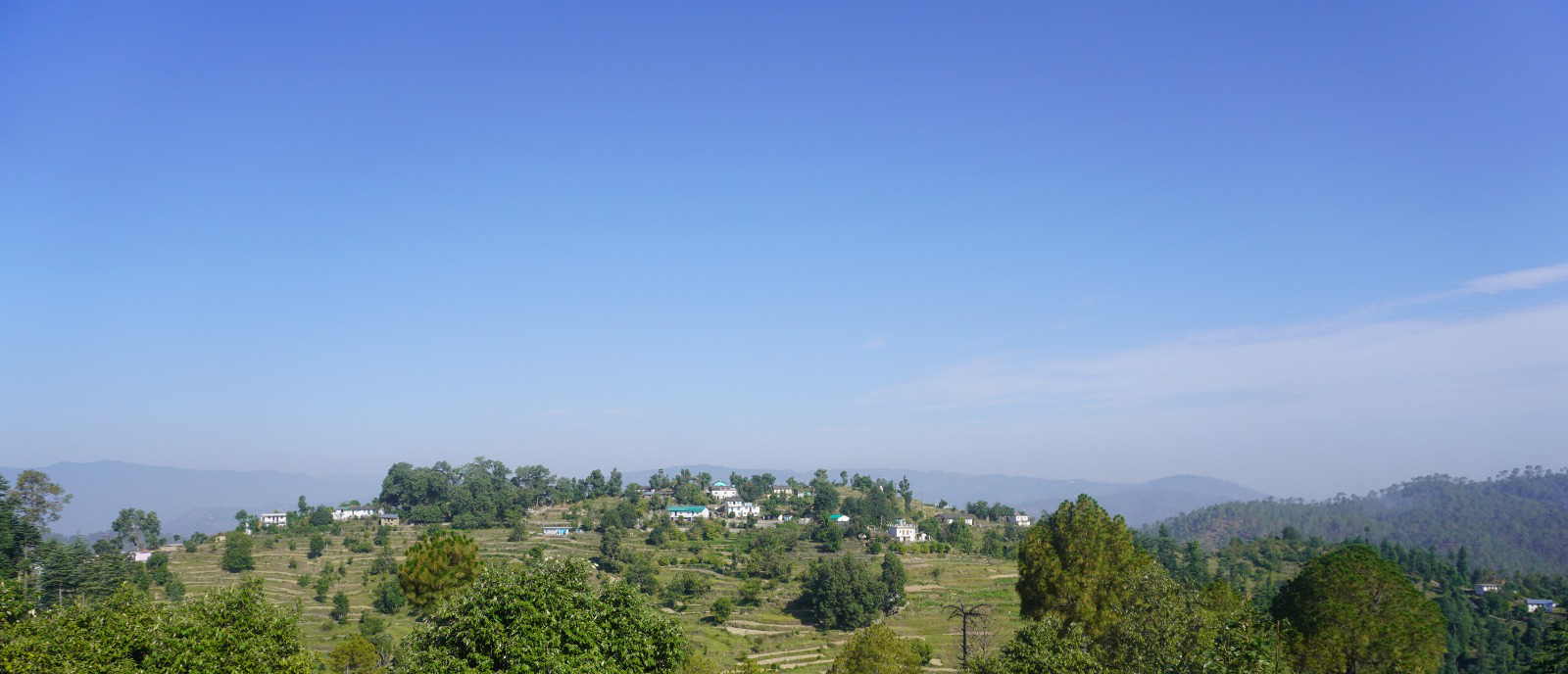
Known for its panoramic Himalayan views, pleasant climate and proximity to the sacred Advait Ashram, Lohaghat has long been a centre of spiritual and administrative importance in the Kumaon region.
The town of Lohaghat, earlier known as Sui, has a glorious past dating back to the Katyuri dynasty of the 8th century. After the decline of the Katyuris, the region came under the influence of Doti. Later, Som Chand, the founder of the Chand dynasty in Kumaon received Sui as part of a matrimonial alliance and established his capital at nearby Champawat, thus bringing Lohaghat under Chand rule.
During the Gurkha invasion in the late 18th century, Lohaghat came under Nepali control until the Anglo-nepal War (1814-1816), after which it became part of British Kumaon Under the Treaty of Sugauli. The British recognized the scenic charm of Lohaghat and developed it as a hill settlement, promoting tea and fruit cultivation along with essential infrastructure auch as roads, schools and health facilities.
After India’s independence in 1947, Lohaghat remained a part of Almora district, later transferred to Pithoragarh and finally became part of the newly
created Champawat district in 1997.
Koli Dek Lake is a picturesque destination in the Champawat district, known for its serene beauty and tranquil environment. Surrounded by lush greenery and pristine landscapes, the lake offers a peaceful retreat for nature lovers and travellers looking to unwind. The calm waters and scenic views make it an ideal spot for picnics, leisurely walks, and photography. Koli Dhek Lake is a hidden gem that provides a perfect escape from the hustle and bustle of daily life.
22 km from Champawat and 9 km from Lohaghat, this Ashram is situated at an altitude of 1940 meters. Mayawati shot into prominence after the Advait Ashram was established here. The ashram attracts spiritualists from India and abroad. During his third visit to Almora in 1898, Swami Vivekanand decided to shift the publication office of ‘Prabuddh Bharat’ from Madras to Mayawati, from where it is published since then. There is a library and a small museum at Mayawati. Mayawati Ashram | Champawat | India
Banasur Fort also known as Banasur Ka Kila or Vanasur Ka Kila is a medieval-era fort that was built in memory of Banasur. Banasur was the son of the King Bali, the mighty demon king and grandson of Prahlada. Known for his strength and intense devotion to Lord Shiva, Banasur was granted a thousand arms by the deity, enabling him to be a formidable figure in battle. His strength and prowess, however, also became his downfall.
According to legend, Banasur ruled over this region with immense power and had the protection of Lord Shiva himself. However, Banasur’s daughter, Usha, fell in love with Aniruddha, the grandson of Lord Krishna. When Banasur found out, he imprisoned Aniruddha in his fortress, angering Lord Krishna. A legendary battle between Banasur and Krishna ensued, in which Banasur was ultimately defeated. It is said that the fort marks the site of Banasur’s kingdom and stands as a reminder of his legacy.
Banasur Ka Kila offers glimpses into the military architecture and strategies of the medieval period. Situated on a hill, it served as a vantage point to monitor enemy movements and defend the region against invasions. Historians suggest that the fort may have been used as a base for local rulers, particularly those from the Chand dynasty, who ruled parts of the Kumaon region. In addition to the battlements, certain structures within the fort, believed to be temples or shrines, indicate the significance of spiritual practices for those who inhabited the fortress. The proximity of Shiva temples in the region supports the belief that Banasur and his followers were devotees of Lord Shiva.
This fort provides some of the most stunning views, especially of the greater snow-covered Himalayas and the green forest areas that lie just beyond the fort walls. The fort is situated on a hilltop, offering a panoramic view of the Champawat Valley and the distant Himalayan peaks.
From the top of the fort, visitors can witness a breathtaking view of the Himalayan landscape, including peaks like Panchachuli and Nanda Devi on clear days. The surrounding forests are home to diverse flora and fauna, and the pristine environment attracts birdwatchers, trekkers, and photographers year-round.
Situated at an elevation of around 1,981 m above sea level in Champawat district, Abbott Mount is a picturesque hamlet. It is said that a British businessman John Harold Abbott was so mesmerised by the serenity of this place that he decided to develop it as a European settlement. He built a cluster of 13 cottages, sprawled over five acres of forest. Later, the place was named after him. Here one can spot Himalayan birds, colourful butterflies and bright red burans (or rhododendron) flowers especially in summers.
“देवीधुरा“ हिमालयी राज्य उत्तराखंड के चम्पावत जिले में स्थित है। देवीधुरा का प्राचीन नाम “धुर“ हुआ करता था जिसे आज भी स्थानीय भाषा में “देधुर“ कहा जाता है। देवदार के विशाल वृक्षों से आच्छादित मनोहारी प्राकृतिक छटा बिखेरता देवीधुरा नामक यह तीर्थ स्थल समुद्र सतह से 6633 फीट ऊंची चोटी पर स्थित है।
लगभग दो किमी में फैला, वाराही धाम देवीधुरा का परिक्रमा मार्ग, पैदल या वाहन दोनों से तय किया जा सकता है। यहां की जलवायु ठण्डी है और दिसम्बर–जनवरी में एक–दो बार बर्फ भी गिरती है जो पर्यटकों के आकर्षण का केंद्र होता है। मां वाराही तीर्थ की चोटी पर भगवान शिव का भव्य मंदिर है। ‘मचवाल’ नाम से प्रसिद्व इस स्थल से हिमालय का जो विहरंग दृश्य दिखाई देता है वह देवीधुरा को और भी अलौकिक बना देता है। मार्च से अक्तूबर तक यहां बहुत सुहाना मौसम रहता है।
देवीधुरा में अनेक मंदिर हैं, जो विभिन्न देवताओं को समर्पित हैं, किन्तु यहां की मुख्य आराध्य देवी मां वाराही ही है। वाराही को यहां दो पूजास्थल समर्पित है। अर्थात असीम श्रद्धा वाली प्राचीन गुफा मंदिर की मां गुह्येश्वरी तथा सिंहासन डोला के भीतर सदैव गुप्त रहने वाली मां गुप्तेश्वरी। देवी के मंदिर में नित्य पूजा का क्रम इस प्रकार है:- गणेश पूजा, गुह्येश्वरी, द्वारपाल, भैरवथान, कालिका, मचवाल शिव पूजा और अन्त में गुप्तेश्वरी को भोग लगता है। देवीधुरा में वाराही की पाण्डित्य पूजा में दुर्गा सप्तसती पाठ और देवी भागवत करने की परम्परा है, जो वाराही की तांत्रिक पूजा से भिन्न है।
देवीधुरा में अनेक विशालकाय गोलाकार शिला खण्डों से बनी एक अद्भुत गुफा है। इस गुफा के भीतर अनेक मंदिर हैं जिनमें देवी देवताओं और उनके वाहनों के चित्र उकेरे गए हैं। इसी गुफा में मां वाराही देवी भी विराजमान हैं जिन्हें पिण्डिका या शिलारूप में पूजा जाता है।
देवीधुरा स्थित श्री वाराही देवी का मंदिर आज विश्व प्रसिद्ध है। स्थानीयजन इसे ‘बाराही देवी’ कहकर पुकारते हैं। सप्तमात्रिकाओं में से एक स्वरूप मां वाराही का है। वैष्णव ग्रंथों में आया है कि समुद्र में डूबती पृथ्वी को उभारने हेतु भगवान विष्णु ने अवतार लिया था जिसे वराह अवतार कहा गया।
वाराह अवतार की आत्मशक्ति ही वाराही कहलाती हैं। पुराणों के अनुसार भगवान विष्णु ने दस अवतार लिए हैं: मत्स्य, कूर्म, वराह, नरसिंह, वामन, परशुराम, राम, कृष्ण और बुद्ध। दसवां अवतार कलयुग के अन्तिम चरण में आना अभी शेष है जिसे कल्कि कहते हैं। अपने तीसरे अवतार में भगवान विष्णु वराह (सूकर) की मुखाकृति वाले मातृ देवी के शरीर में प्रकट हुए थे। एक दृष्टान्त के अनुसार ’’हिरण्याक्ष’’ नामक राक्षस ने एक बार पृथ्वी पर अत्याचार करने प्रारंभ कर दिये। यहां तक कि वह धरती को भी पाताल लोक में ले गया। यह सब देखकर भगवान विष्णु ने मानव शरीर में सूकर का सिर अर्थात वराह स्वरूप धारण करके पाताल से या समुद्र में डूबी पृथ्वी को बाहर निकाला। वराह की जिस आत्मशक्ति ने हिरण्याक्ष का वध करके पृथ्वी को बचाया वह वाराही कहलायीं। वाराही एक दयालु, दुःखहत्र्ता और ज्ञान देने वाली देवी है, जो अपने भक्तों से अत्यन्त स्नेह करती है। वाराही सर्व शक्तिमान हैं। उनकी तीन आंखें हैं, जिसमें दाहिनी आंख समृद्धि प्रदान करती है और बांयी आंख विद्या तथा तीसरी आंख ज्ञान की प्रतीक है। प्रकृति के रूप में वाराही सृष्टि की रचना करती है, विष्णु माया रूप में वह इसे संरक्षित रखती है तथा मृत्यु देवी के रूप में वह सृष्टि का संहार करती है। संपूर्ण सृष्टि वाराही के गर्भ में स्थित है। वाराही का संदर्भ शैव, वैष्णव तथा शाक्त तीनों संप्रदायों में आता है।
शैव संप्रदाय में वाराही मां को माता सती के रूप में पूजते हैं जिसका वर्णन शिव पुराण में हुआ है। शाक्त संप्रदाय में देवी महात्म्य तथा दुर्गा सप्तसती में वाराही का वर्णन हुआ है। वाराही देवी के अनेक स्वरूप हैं। वाममार्गी पूजा में वाराही की तांत्रिक विधि से पूजा की जाती है। बौद्ध धर्म में मां वाराही को वज्र वराही के रूप में पूजा जाता है। मूर्तियों में उन्हें प्रायः चतुर्भुजी या अष्ठभुजी चित्रित किया गया है। उनके दो हाथ अभय मुद्रा (भय दूर करने वाली) और वरद (सुख–संपत्ति देने वाली) मुद्रा में हैं। अन्य हाथों में वे शंख, चक्र, गदा, कमल, फल, वज्र आदि धारण किये हुए हैं। वैष्णव संप्रदाय में उन्हें प्रायः सूकर मुखाकृति में दिखाया जाता है। वाराह आकृति में उन्हें बाराही तथा मानव मुखाकृति में उन्हें श्री दुर्गा कहा जाता है। वाराही एक कृपाशील देवी हैं। देवीधुरा में मां वाराही को जगदम्बा माता के रूप में पूजा जाता है तथा उन्हें पंचतत्वों का प्रतीक माना जाता है।
This mesmerizing white Gurudwara of Reetha Sahib is set against the backdrop of green and brown hills is located in a small hamlet called Dyuri in Champawat district, around 72 km from Champawat town (and 30 kilometers from Khetala Kumaon Homestay). The Gurudwara Sahib was constructed in 1960 at the confluence of Lodhiya and Ratiya rivers.
Guru Nanak Dev Ji had an encounter with Nath Yogis (adjoining the Gurudwara Sahib is the temple of Dher Nath) whom he tried to bring to the path of active humanitarian service along with remembrance of God’s Name. The story is not mentioned in the Janamsakhis but a strong tradition has grown locally that Guru Nanak Dev Ji’s miracule made the naturally bitter fruit (Ritha) of a soapnut (Ritha) tree taste sweet for Bhai Mardana to feed on. A Ritha tree (not the original one) is still here and pilgrims are given the prasad of sweet Ritha.
A large fair is held in the Gurudwara on Baisakhi Poornima. About ten kilometers from the Gurudwara is a tract of land called Nanak Bagichi (Nanak’s Orchard) where the prasad trees are cultivated and their fruit is collected and brought to replenish the Gurdwara’s stock.
Golu Devta (गोल्ज्यू महाराज, Goljyu Maharaj) is a prominent regional deity worshipped primarily in the Kumaon and Garhwal regions of Uttarakhand, India. Revered as an incarnation of Bhairava (a fierce manifestation of Shiva), he is widely venerated across the central Himalayas as the “God of Justice”. According to regional folklore, he is believed to dispense swift justice to his devotees, who traditionally submit written petitions and brass bells at his shrines to seek divine intervention.
While historically associated with the medieval Chand dynasty of Champawat, Golu Devta’s worship has evolved into a cornerstone of Kumaoni cultural identity. His primary shrines are located at Chitai (near Almora), Ghorakhal (near Bhowali), and Champawat.
Baleshwar Temple is an ancient Hindu temple dedicated to Shiva, situated within city of Champawat in Uttarakhand, India. Built by the rulers of the Chand dynasty, Baleshwar Temple is a marvelous symbol of stone carving. It is believed to have been built in 13th century AD (1390 AD) by Garud Gyan Chand. Uday Chand started reconstruction work for this temple between 1420 and 1421 AD. Hari Chand, who reigned from 1423 AD to 1427 AD, completed the reconstruction work on the temple as per a copperplate inscription (dated 1423 AD) at the temple.
The main Baleshwar temple is dedicated to Shiva (who is also known as Baleshwar). There are two other temples in the compound of Baleshwar, one dedicated to Ratneshwar and other to Champawati Durga. Close to the Baleshwar Temple is a “Naula” (freshwater resource). On the day of Mahashivratri, a very crowded fair is held in the Baleshwar Temple compound. The exteriors of Ratneshwar and Champawati Durga temples are carved with the different posters of the local deities.
Champawat’s ideal temperature and amiable climate provide the perfect environment for tea plantations, which the British established approximately 150 years ago. The beautiful tea gardens are just 8 km away from Champawat town and cover a vast 235-hectare area, making them one of the largest organic tea gardens in the Himalayan region. The tea gardens employ over 400 people who produce black, white, and organic green tea under the brand name “Uttarakhand Tea,” which is also being exported. The Tea Development Board is promoting tea tourism in the area by promoting homestays, tea tasting, nature walks, and tea plucking. Visitors can experience the charm of tea gardens and witness the tea-making process while enjoying the serene and picturesque beauty of the Himalayas.
Siddhathan Temple lies within the dense and lush Tapnipal Forest Range and is at a considerably higher elevation that commands the surrounding landscape. The peace, energy and the breathtaking panorama on offer at this sacred spot requires you to take a vehicle a few kilometers from the picturesque town of Khetikhan right up to the temple (in non-rainy season) where ample parking space is available. Earlier, devotees across the region would trek the dense forest and wildlife to reach the sacred Siddha spot (Siddha Sthan). The last 2 kilometers of the approach road are non-motorable in the rainy season and pilgrims can enjoy a trek through the forest to reach there. The modernized temple elevation is now adorned with beautiful idols of Siddha Narsingh Baba. It has now been equipped with essential facilities for the pilgrims like washrooms etc.
Khetala Kumaon Homestay, adjacent to Village Joshura in the Holi-Piplati Gram Panchayat (in Block Pati of district Champawat) is a perfect getaway spot (an exclusive and authentic rural retreat) to rest and relax for the sustainable ecotourism enthusiasts. It also doubles up as a centrally located gateway to the cultural hotspot of the Kali Kumaon Region (of Manas Khand), equidistant to the region’s temple tourism locations.
Book direct and enjoy the lowest rates available!
Book direct and enjoy exclusive offers
Many websites charge extra fees for bookings; we do not.

Tel.: (+91) 9410914801
Tel.: (+91) 8218248442
kkpchome23@gmail.com
homestay@khetalakumaon.in
Village Joshura (Holi-Piplati), 4th Kilometer from Dhunaghat
on Lohaghat-Ritha Sahib Motor Road, Block Pati, Champawat, Uttarakhand
WhatsApp us